Menopause is one of the most significant transitions in a woman’s life—and one of the most misunderstood. Many women enter this stage feeling unprepared for the changes they’re experiencing, while conflicting information and outdated beliefs can make it difficult to know what’s normal, what’s treatable, and where to turn for help.
We spoke with leading menopause specialists to cut through the noise and shed light on what’s really happening in the body during this transition. Here’s what they want every woman to know.
The most persistent myth about menopause is that it signals decline. The reality is the opposite: it’s a transition that, with the right support, can become one of the most empowered chapters of a woman’s life.

“Many women think menopause is the beginning of the end. With education, it can be a time of recalibration—one that brings more joy and better intimacy,” Kate White, MD, OB/GYN, MSCP, Sexual Medicine Specialist.

“We don’t call wearing glasses overmedicalizing vision,” adds Shieva Ghofrany, MD, board-certified OB/GYN, FACOG. “Treating menopause symptoms helps us feel better and age healthier.”
Consider this: women today may spend up to one-third of their lives in menopause. That’s not a phase to “grin-and-bear”—it’s a stage that deserves the same proactive care as any other.
Hot flashes and night sweats get all the attention. But menopause is a full-body transition that can quietly affect sleep, mood, focus, bone health, heart health, skin, and bladder function.

“Menopause affects your sleep, mood, brain, bones, heart, and even intimacy,” says Heather Quaile, DNP, WHNP-BC, AFN-C, MSCP, CSC, IF, FAANP, FNPWH. “For some women, ADHD symptoms or focus issues can worsen during menopause.”
Some of the most common, yet least-discussed, symptoms include:
- Recurrent UTIs and bladder urgency
- Vaginal dryness and discomfort
- Sleep disruption beyond night sweats
- Brain fog and changes in concentration
- Skin and even ear dryness from shifting estrogen

“Urinary and vaginal symptoms are often overlooked,” notes Anna Myers, CNP, MSN. “There are safe, effective options that can make life much more comfortable.”
The takeaway: if something feels off, it’s worth asking about. These symptoms are real, recognized, and—most importantly—treatable.
Vaginal dryness affects the majority of women in menopause, yet many quietly reach for a lubricant and move on. Lubricants and moisturizers serve a purpose, but they don’t address what’s actually changing in the tissue.
“Lube is like a Band-Aid,” says White. “Vaginal estrogen can actually restore tissue health—not just mask the problem.”
Ghofrany builds on the point: “It’s not just dryness, it’s inelasticity. That’s why local estrogen or DHEA treatments work better than just using lube.”
For many women, the best approach is a combination: lubricants for in-the-moment comfort, moisturizers for daily hydration, and low-dose vaginal estrogen to support the underlying tissue. This is a conversation worth having with a menopause-informed clinician.
Few topics in women’s health carry more outdated baggage than hormone therapy. Decades of misinterpreted research left a generation of women afraid of a treatment that, for many, is both safe and life-changing.
“When individualized and started at the right time, hormone therapy is one of the most effective treatments with proven safety,” says Quaile.
“Think personalized prescription, not one-size-fits-all fear,” adds White.
Hormone therapy may not be right for every woman, and non-hormonal options exist for those who need or prefer them. The point is that every woman deserves an informed conversation with a clinician who can weigh her individual benefits and risks.
If there’s one message every expert we spoke with wanted to send, it’s this: you don’t need to suffer in silence.
Menopause is not something to endure. It’s something to understand, prepare for, and move through with support. Whether that means hormone therapy, non-hormonal options, lifestyle shifts, or simply better information, you have choices.
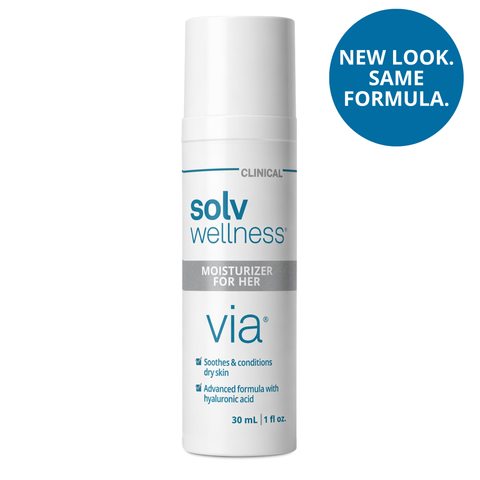
At Solv Wellness, our mission is to help women feel informed, seen, and supported through every stage of this transition.
Explore expert-led resources at Menopause Made Clear and find a menopause provider who can help you build a plan that’s right for you.